
Simulation Engineering for Manufacturing & Logistics
Design Systems de México builds dynamic simulation models that help manufacturers reduce risk and make confident engineering decisions.
Static Plans Cannot Show Dynamic Problems
Layouts show space. Spreadsheets show averages. Simulation shows reality.
Downtime, product mix, changeovers, queues, shared resources, shift patterns, and material-handling traffic can create problems that static planning tools do not reveal.
Throughput Falls Below the Target
A line may achieve its theoretical rate but still miss production targets once variability, downtime, and real operating conditions are introduced.
Starvation, Blockage, and Congestion
One process may starve while another becomes blocked. AGVs and forklifts can create congestion instead of improving material flow.
Buffers and Bottlenecks Shift
Buffers can consume valuable space without improving throughput, while new equipment may simply shift the bottleneck elsewhere.
Capital Risk Appears Too Late
A project can look right on paper but fail under normal operating conditions. Simulation helps identify these risks before they become costly to correct.
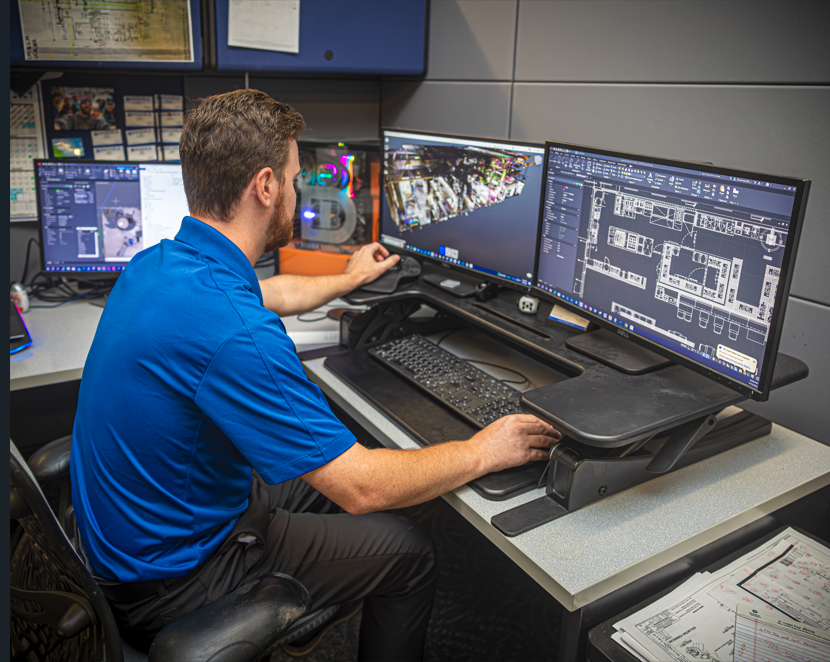
Simulation Creates Confidence Before Implementation
Instead of relying on assumptions, simulation models recreate real operating conditions so teams can evaluate system performance before making costly decisions. By testing scenarios before implementation, manufacturers can optimize system performance, reduce risk, and make informed engineering decisions.
Evaluate Design Alternatives
Compare layouts, equipment configurations, staffing levels, and operating strategies before implementation.
Identify Constraints
Reveal bottlenecks, congestion, resource conflicts, and underutilized capacity that limit system performance.
Optimize Throughput
Test different scenarios to improve production flow, reduce waiting, and maximize output.
Reduce Risk
Validate capital investments and process changes before they impact production.
Simulation Capabilities
Design Systems de México uses simulation engineering to evaluate manufacturing systems, optimize performance, and reduce implementation risk before changes are made.
Discrete Event Simulation (DES)
Discrete Event Simulation is used to model process flow over time.
DSI simulates complex interactions between equipment, material, labor, and logic to evaluate throughput, production mix, and system responsiveness under real variability.
This enables defensible answers to critical “what if” questions before layout changes, automation investments, or capacity expansions are approved.
Material Flow Analysis
Material Flow Analysis evaluates how products, materials, and resources move throughout a manufacturing or warehouse environment.
DSM analyzes conveyors, AGVs, forklifts, and other material handling systems to identify congestion, inefficient routing, equipment conflicts, and transportation delays before they impact production.
This enables manufacturers to improve throughput, reduce unnecessary movement, optimize resource utilization, and support more efficient system performance.
Scenario & Capacity Planning
Scenario and Capacity Planning allows manufacturers to evaluate multiple operating strategies before implementing changes to production systems.
DSM simulates different staffing levels, equipment configurations, production schedules, and system capacities to compare performance under real operating conditions.
By validating solutions before implementation, manufacturers can reduce risk, improve confidence in engineering decisions, and optimize long-term system performance.
Why Manufacturers Choose Design Systems de México
When manufacturers need to improve performance, reduce risk, or validate engineering decisions, they rely on Design Systems de México for practical simulation solutions backed by real manufacturing experience. DSM partners with organizations across industries to develop simulation models that support smarter planning and measurable operational improvements.
Manufacturing Industry Experience
DSM supports manufacturers across a wide range of industries, applying simulation engineering to optimize production systems, material flow, and facility performance.
Data-Driven Engineering
Every simulation is built using real operating data and engineering analysis, providing meaningful insights that support informed decision-making and project planning.
Proven Decision Support
Simulation enables manufacturers to evaluate alternatives, identify potential constraints, and validate engineering decisions before investing in physical changes.
Focused on Measurable Results
DSM helps manufacturers improve throughput, reduce operational risk, optimize resources, and build confidence in capital and process improvement decisions.